
Jet Lag Recovery: Tips for Seamless Cross-Continental Travel.
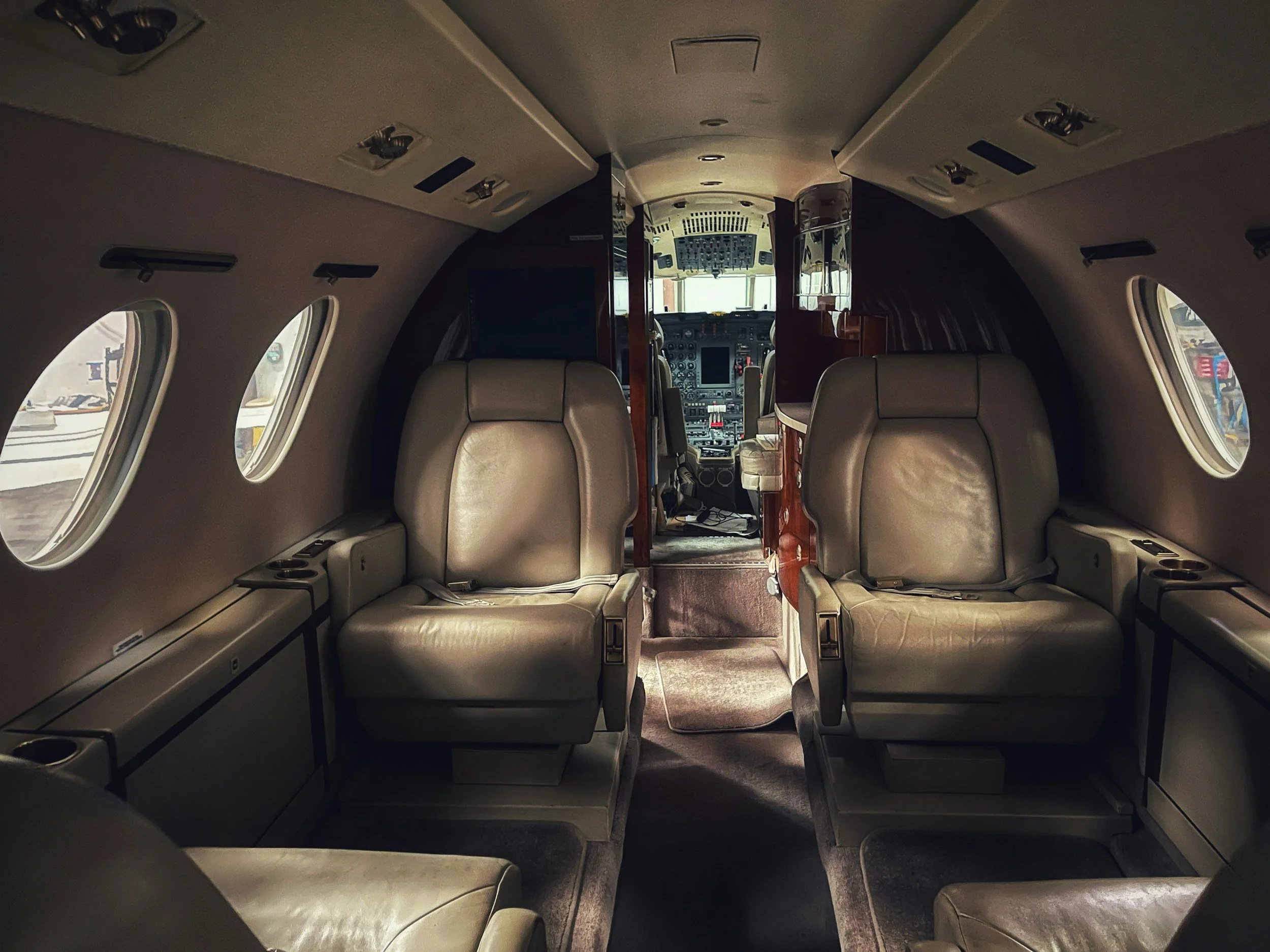
The Jet Lag Recovery Toolkit: Tips and Products for Seamless Cross-Continental Travel
Crossing time zones is part of the job when you travel by private jet, whether for business or leisure. The convenience and speed of a bespoke charter reduce travel stress, but jet lag can still slow you down. At Jet Royale, we help clients arrive refreshed and ready — and over the years we’ve learned what truly helps reset your body clock. This toolkit combines practical tips, in-flight routines, and recommended products to make jet lag a minor inconvenience rather than a travel-defining problem.
How Jet Lag Works
Quick primer Jet lag occurs when your internal circadian rhythm (your body’s 24-hour clock) is out of sync with the local time at your destination. The more time zones crossed, the larger the mismatch. Common symptoms include fatigue, insomnia, headaches, difficulty concentrating, digestive disruption, and mood changes. Eastbound travel (advancing the clock) is often harder to adapt to than westbound travel (delaying the clock), because it shortens the day.
Pre-Flight Preparation
Gradually shift your schedule: 2–3 days before departure, start adjusting your sleep and meal times 30–60 minutes toward your destination schedule. For long eastbound trips, move bedtime earlier; for westbound, later.
Prioritize quality sleep before travel: Don’t start a trip already in a sleep deficit. Aim for two solid nights of rest before your flight.
Time your caffeine intake: Limit caffeine in the 6–8 hours before intended sleep. Use coffee and energy drinks strategically to align with daytime at your destination.
Hydrate early: Begin increasing water intake 24 hours before departure. Hydration reduces fatigue and helps combat dry cabin air.
In-Flight Strategies on a Private Jet
Private jet travel affords flexibility most commercial flyers don’t have — customize lighting, temperature, and seating to simulate destination time.
Set your watch and devices: Switch your phone, watch, and devices to destination time upon boarding. This mental cue helps you start adapting right away.
Mimic target sleep times: If it’s nighttime at your destination, try to sleep on the flight. If it’s daytime, stay awake and active.
Control light exposure: Bright light suppresses melatonin and helps you stay alert. Use the jet’s cabin lighting, open blinds for daylight, and request mood lighting for evening. For sleep, use a quality eye mask to block ambient light.
Move frequently: Walk the cabin, do gentle stretches or seated mobility exercises every 45–60 minutes to keep circulation flowing and reduce stiffness.
Eat light, timed meals: Heavy meals can disrupt sleep. Eat lighter, protein-and-vegetable-forward meals aligned with destination mealtimes.
Choose comfortable attire: Breathable layers, compression socks for circulation, and slip-on shoes make rest and movement easier.
Use cabin features: If your charter includes a fully reclining bed, set it up with pillows and blankets as you would at home. Ask the crew to adjust cabin temperature to cooler for sleep (60–67°F / 15–19°C recommended for many sleepers).
Natural Aids & Circadian Tools
Melatonin: Short-term, low-dose melatonin (0.5–3 mg) can ease sleep onset when used at the target bedtime at your destination. Best used under guidance from a healthcare professional and timed to local night.
Light therapy: Bright light exposure is a powerful tool for shifting circadian rhythm. Use a portable light therapy device for 20–30 minutes in the morning to advance your clock when traveling west-to-east, or in the evening to delay it when traveling east-to-west.
Strategic napping: Short naps (20–30 minutes) can restore alertness without impairing nighttime sleep. Avoid long naps late in the local afternoon.
Sleep hygiene: Stick to calming pre-sleep routines — limit screens 60 minutes before sleep, use white noise or relaxing sounds, and practice breathing or progressive muscle relaxation if anxious.
Products to Include in Your Jet Lag Toolkit
Pack compact, high-quality items that work well in a private cabin environment.
Blue-light-blocking glasses: Wear in the evening to reduce stimulating light from screens and cabin lighting.
Certified sleep mask: Look for a contoured, light-blocking mask with adjustable strap for comfort and a good seal.
Noise-reducing earplugs or ANC headphones: Active noise-canceling headphones are ideal for blocking engine hum and creating an in-flight sleep environment.
Travel pillow and compact bedding: A memory-foam travel pillow combined with a lightweight down blanket improves onboard sleep posture and warmth.
Compression socks: Graduated compression improves circulation on flights and reduces swelling and clot risk on long-haul travel.
Portable light therapy device: Small, TSA-friendly units deliver bright light
